This box lives at How To Do Research > Searching for Information
It is included on the Overview of the Search Process page of the Searching for Information Canvas Module
Learning something new is a journey. To succeed with research, be open to possibilities! Research is an iterative process. Each search informs the next, which may take you in directions you didn't anticipate. Remember that part of the process is finding out what you don't know as well as what you do. The library has a collection of tools and resources to help you succeed.
Searching is Strategic
This box lives at How To Do Research > The Research Process > Research Strategy
It is included on the
- The Research Process - Research Strategy page of the English Comp Canvas Module
- Overview of the Search Process page of the Searching for Information Canvas Module
It’s important to create a research plan before you start searching. Once you've come up with a topic, make sure you also understand your purpose, audience, and assignment requirements. Are you writing to persuade or inform? Do your readers need background information? Does your instructor require peer-reviewed articles? Clarifying your goals will guide your research process.
Preparing to Research
- Brainstorm keywords. Identify relevant words and phrases for your topic. For example, for "the impact of bilingualism on early literacy," you may include keywords like bilingual, multilingual, "early childhood education," literacy, and reading. Keep keywords neutral to avoid biased results.
- Plan your notes. Once you've started your research, it's easy to lose track of what you read where. Keep track of your sources and organize your notes to avoid confusion later.
- Consider your sources. Library databases offer extensive information, but also look for other reputable sources. For our example topic of early literacy in bilingual children, you might check the Department of Education for policies and Census data for multilingual population statistics.
- Do some background research. Use reference sources like encyclopedias for overviews and context. They can help identify useful keywords and subtopics. See the resources listed on our Finding Background Information page (in the Search menu) to get started.
While Researching
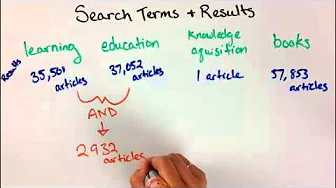
- Try, try, try again. Research is an iterative process: you won't find everything you need with your first search. Experiment with different combinations of keywords. Experiment with advanced search strategies (such as using "AND" or "OR" to combine search terms). Be flexible so that you can adjust your strategy as needed.
- Look for gaps. Periodically review your information to identify gaps and adjust your strategy as needed. Do you have enough for each point you're making? Are there places where you're still missing information? Where else can you look to fill those gaps?
- Ask for help. Librarians are experts at finding information, and they're very familiar with the resources that are available to students. They're here to help! Email libraries@vsc.edu, use the Ask A Librarian chat, or schedule an appointment to meet one-on-one either in-person or over Teams.